
















Need an execution contractor?
Heavy demolition in Dubai and across the UAE.
This article explains the planning question. For scope review, method selection and a site-specific technical proposal, continue to Arasar's primary service page.
Read the structure before selecting the plant
The project team should establish the construction type, load paths, condition, previous alterations and elements that must remain. Drawings are valuable, but the proposed sequence also needs to reflect the surveyed condition and the way the asset is physically connected.
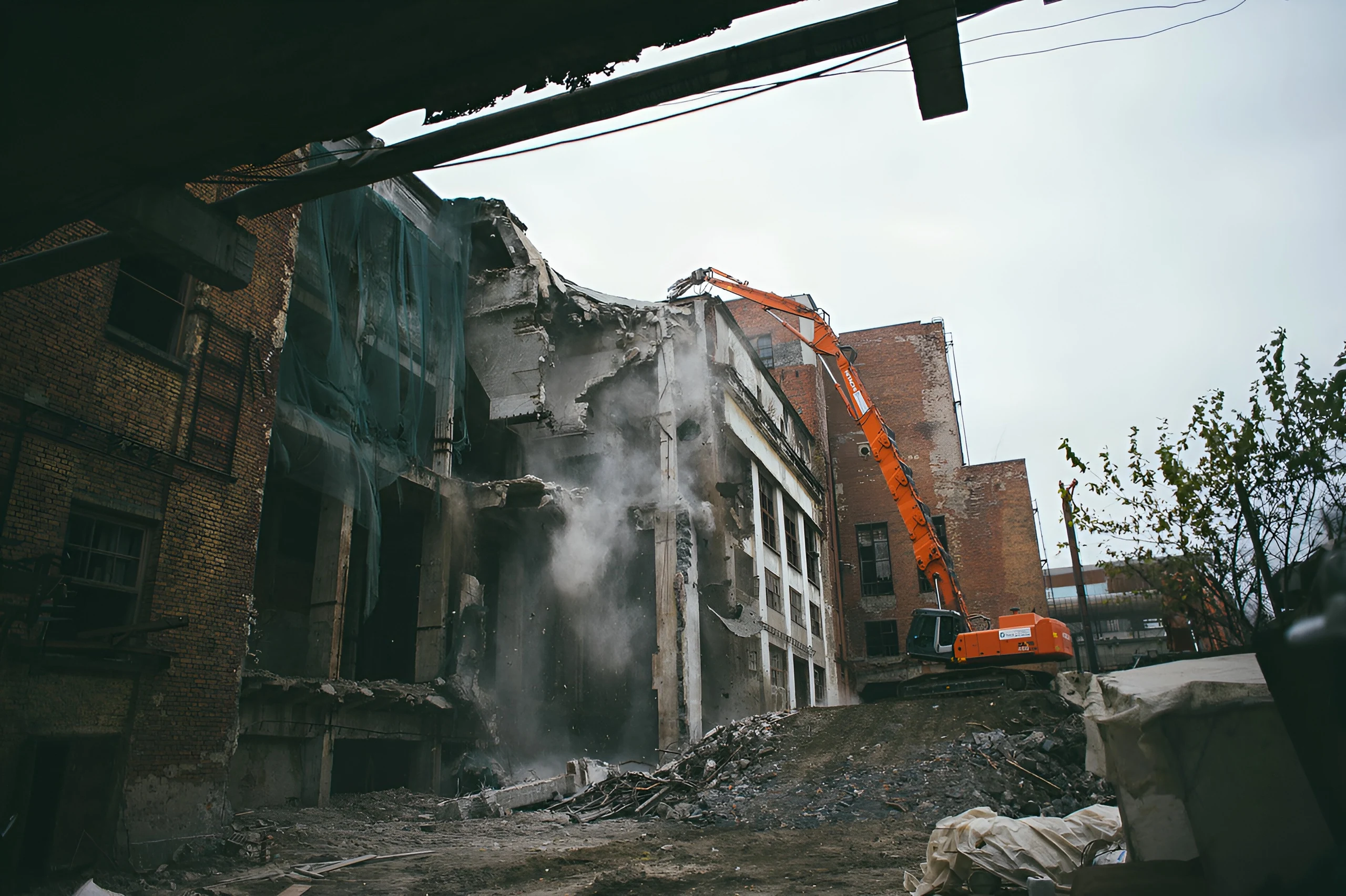
Plant selection follows that understanding. Reach, attachment, operating radius, ground or slab loading and the size of released sections must suit the structure at each stage, not only the final demolition volume.
- Structural form, stability and retained interfaces
- Hazardous or process-related materials
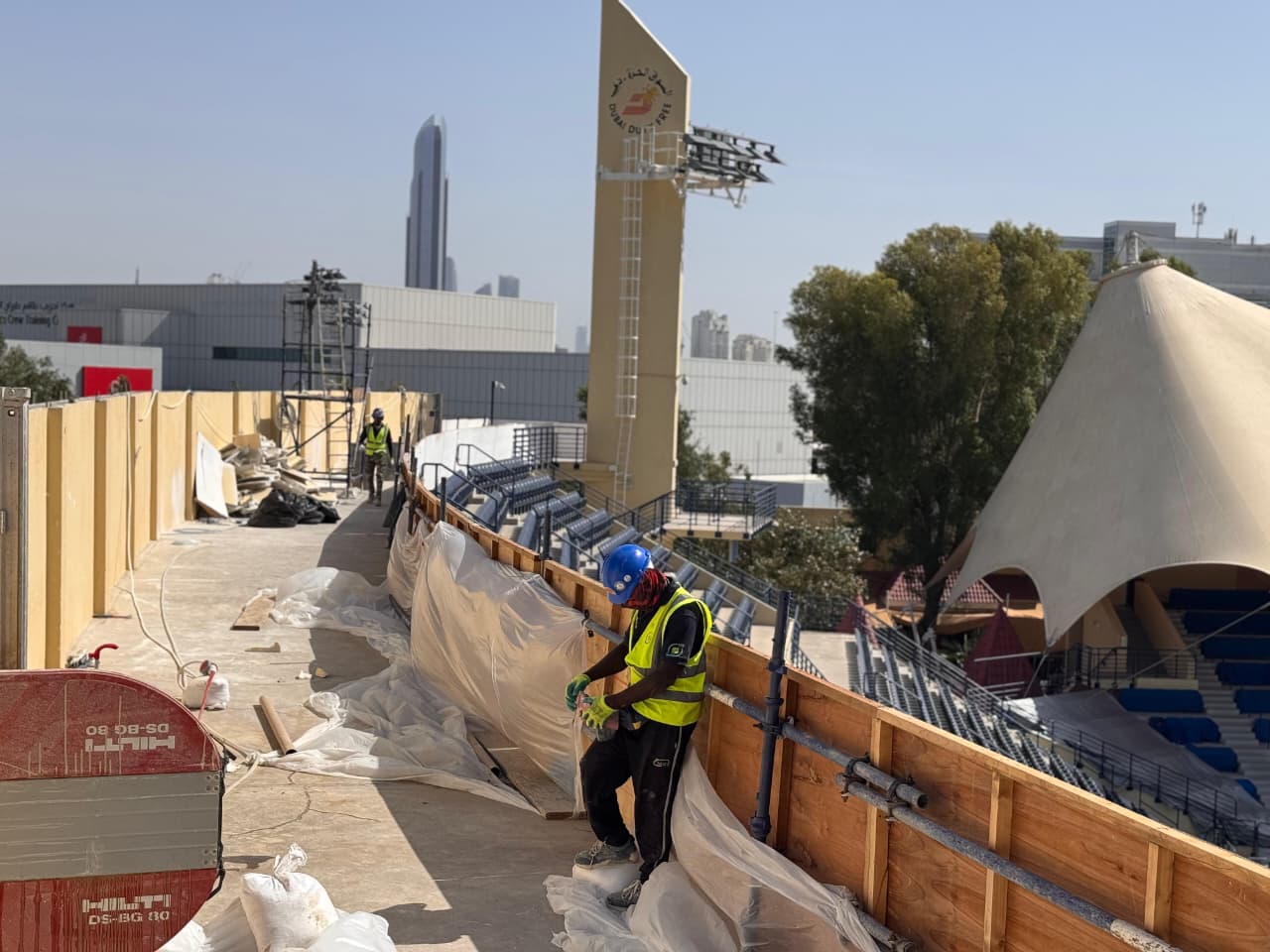
- Utilities, basements, voids and weak operating surfaces
- Machine reach, attachment and safe stand-off distance
Turn the demolition sequence into hold points
A sequence should explain how stability is maintained while weight and restraint are progressively removed. Temporary works, pre-cutting, mechanical dismantling and lifting may be combined where geometry, neighbours or operational restrictions prevent a single-machine approach.
Defined hold points allow the team to confirm condition, access, protection and material clearance before moving to the next stage. This is particularly important when the exposed structure differs from the available information.
- Utility isolation and work-zone release
- Temporary works and protection acceptance
- Plant-position and surface-capacity confirmation
- Stage inspection before the next structural release
Engineer the operating area around machine movement
Large demolition plant needs more than access through the gate. Delivery routes, assembly space, machine turning, attachment changes, refuelling, maintenance and recovery in the event of a breakdown should fit inside the controlled site arrangement.
Dust, noise, vibration, traffic and flying-debris controls must be connected to the selected method. Monitoring locations and action levels should be meaningful for the neighbouring assets and operations rather than copied from a generic plan.
Plan material routes before material is released
Concrete, reinforcement, structural steel, equipment and mixed waste each create different handling and transport requirements. Separation at the work face can improve control and recovery, but only if processing zones, stockpiles and vehicle routes have enough space.
The demolition sequence and logistics plan should therefore use the same production assumptions. If removal cannot keep pace with structural dismantling, stockpiles can obstruct plant, overload surfaces and compress exclusion zones.
- Release size and secondary processing requirement
- Concrete, steel and reusable material separation
- Stockpile limits and verified loading areas
- Truck circulation, wheel cleaning and movement records
What to include in a heavy-demolition enquiry
A useful enquiry package should describe the structure, location, intended end state, retained operations, available drawings, access, utility status, target programme and material obligations. Site photographs and information about basements, neighbouring assets and restricted working windows help identify the right survey and plant strategy.
Arasar develops heavy demolition proposals from its Dubai project desk for suitable work across the UAE. The technical review connects engineering, specialist machinery, environmental controls, logistics and material recovery around the actual asset.
Frequently asked questions
01What is heavy demolition?
Heavy demolition is the engineered removal of large, robust or complex structures using substantial mechanical plant, specialist attachments and supporting cutting, lifting or remote methods. Scale does not remove the need for controlled sequencing.
02How is demolition plant selected for a UAE project?
Selection depends on structure, condition, height, reach, attachment, access, operating-surface capacity, release size, neighbours, environmental controls and the planned material route.
03Can part of an industrial facility remain operational during demolition?
It may be feasible where utilities, access, structural independence and operating interfaces can be divided into controlled zones. The decision requires a project-specific engineering and operational review.
04What should a heavy-demolition proposal include?
A credible proposal should define scope, assumptions, engineering sequence, temporary works interfaces, plant and logistics, exclusion zones, environmental controls, material routes, programme and key responsibilities.
Project note
Guidance is the starting point. The site determines the method.
Every structure, access route and operating environment is different. Final engineering, approvals and controls should be based on verified project information and a site-specific assessment.