




















Need an execution contractor?
Demolition services in Dubai and across the UAE.
This article explains the planning question. For scope review, method selection and a site-specific technical proposal, continue to Arasar's primary service page.
Define the demolition boundary before comparing prices
Start with a marked drawing and a written description of the required end state. Does the scope cover interiors only, selected concrete elements, the entire structure, or below-ground foundations as well? List pools, boundary walls, external paving and detached structures individually. A label such as 'complete demolition' can conceal different assumptions between bidders.
A useful first enquiry says what stays as clearly as what goes. Retained rooms, shared boundaries, neighbouring property and operating areas affect protection and access. Where the removal boundary is still being designed, ask the bidder to identify that uncertainty rather than absorb an unspecified risk into a single total.
Use a like-for-like quotation checklist
For each quotation, record whether an item is included, excluded, provisional or supplied by someone else. Keep the drawing revision and assumptions beside the price so the comparison can be checked when the scope changes.
| Package item | What to make explicit | Question for each bidder |
|---|---|---|
| Surveys and design inputs | Existing drawings, investigation and required engineering | Who provides and accepts each input? |
| Approvals and utilities | Applications, fees, coordination and isolations | Which responsibilities and allowances are included? |
| Demolition boundary | Interiors, structure, basement, foundations and external works | Which elements and depths are excluded? |
| Protection and temporary works | Retained assets, neighbouring areas and access controls | Which measures are priced and which need design? |
| Cutting, lifting and plant | Specialist methods and handling of separated sections | Is removal included or only separation? |
| Materials and disposal | Segregation, haulage, destination and salvage arrangements | Who owns recovered material and bears disposal costs? |
| Completion | Required site condition, cleaning and records | What must be delivered before the package is accepted? |
Understand what changes the cost
Quantity matters, but so does the route from the work area to the collection point. Restricted access may require smaller equipment, additional handling or a different sequence. A short work window can affect mobilisation and supervision. Compare those constraints alongside area or volume, rather than treating a square-metre rate as a complete quotation.
The required finish also matters. Cutting a precise opening beside retained finishes is different from removing an unrestricted structure. Ask whether scanning, specialist cutting, support coordination, lifting and edge preparation belong to the package. These are scope decisions, not extras to assume automatically.
For example, two villa proposals may look comparable until one includes the pool and foundations while the other stops at the main building. Correct the scope comparison before interpreting the price difference. This is an illustrative procurement example, not a completed Arasar job or a cost estimate.
Separate permission to proceed from physical site work
Ask the project team which authority and property-management requirements apply to the actual plot and scope. For projects within its jurisdiction, DDA publishes separate services for structural demolition and modification of completed buildings. These official service pages are starting points for the appropriate application; they are not interchangeable approval routes for every Dubai project.
A quotation should distinguish application preparation, authority fees, utility coordination and execution. A published authority processing estimate is not a promise for the complete project duration. Missing drawings, clarification requests and readiness of other parties can affect the date when work can start.
Keep safety responsibilities in the priced scope
The UK Health and Safety Executive's demolition guidance emphasises competent appointments, pre-construction information and planning around structural and site hazards. It is a technical reference here, not UAE legislation. For the local project, confirm who supplies the surveys, engineering inputs, protection requirements and supervision before comparing the offers.
If an existing-condition survey identifies materials needing specialist assessment or handling, record the responsible party and any allowance or exclusion. Do not assume that a general demolition price includes every specialist treatment. Unresolved information should appear in the proposal as a stated condition requiring resolution.
Agree salvage, waste and variations in writing
Recovered material can affect a commercial proposal, but a salvage allowance needs a stated basis. Ask who owns the material, whether any credit is fixed or conditional and which costs remain payable. Do not compare a gross demolition price with a price after an unexplained salvage credit as though they were the same offer.
Also agree how changed quantities, hidden conditions and extra work will be documented. Useful questions include who authorises a change, what evidence is required and whether the programme impact is assessed with the price. This makes the tender comparison more meaningful than a general promise of 'no hidden charges'.
Send enough information for a useful first proposal
Send the site location, available drawings, photographs and a brief describing removal and retention. Include access restrictions, preferred timing and the expected handover condition. If information is unavailable, identify the gap so the next step can be a focused clarification or site review.
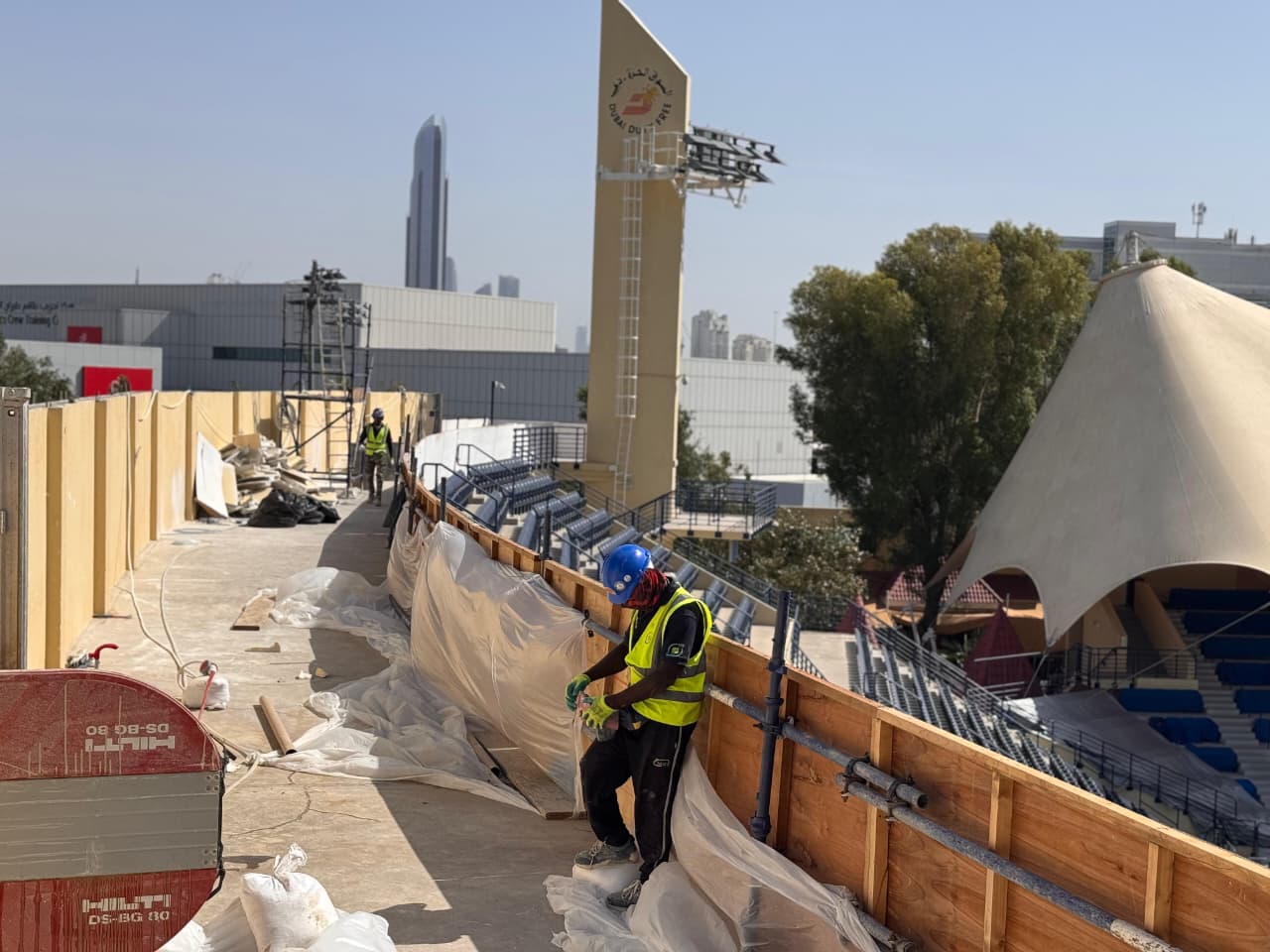
Arasar's Dubai Hills case describes selective structural removal within a villa renovation, supported by project photographs. It illustrates a retention-led scope, not a published price benchmark. Use the service page to discuss your own requirements with the Dubai team.
- Plot or project location and enquiry contact
- Marked scope and drawing revision, where available
- Photographs of the work area, access and retained surroundings
- Known utility, occupancy and working-hour constraints
- Required removal, disposal and final site condition
- Target programme and information still to be confirmed
Frequently asked questions
01Can demolition cost be priced from villa floor area alone?
Floor area helps describe scale, but it does not define structure, retention, access, below-ground work, disposal or the required finish. A dependable quotation needs a defined scope and enough site information.
02Does a demolition quotation include permits and debris removal?
Only if the proposal says so. Ask for a written list of included services, authority and third-party allowances, disposal arrangements and exclusions.
03Can scrap value make demolition free?
Do not assume it. A salvage credit depends on the materials, recovery and commercial terms. Compare the complete scope and responsibilities even when a proposal includes a substantial credit.
04What should I send Arasar for a demolition quotation?
Provide the location, removal and retention scope, available drawings, photographs, access and occupancy constraints, programme and required handover condition. Identify any information still missing.
Technical and regulatory references
Requirements remain project- and authority-specific. These public sources support the technical or regulatory points used in this guide.
Project note
Guidance is the starting point. The site determines the method.
Every structure, access route and operating environment is different. Final engineering, approvals and controls should be based on verified project information and a site-specific assessment.