



















Need an execution contractor?
Demolition services in Dubai and across the UAE.
This article explains the planning question. For scope review, method selection and a site-specific technical proposal, continue to Arasar's primary service page.
Unplanned structural movement
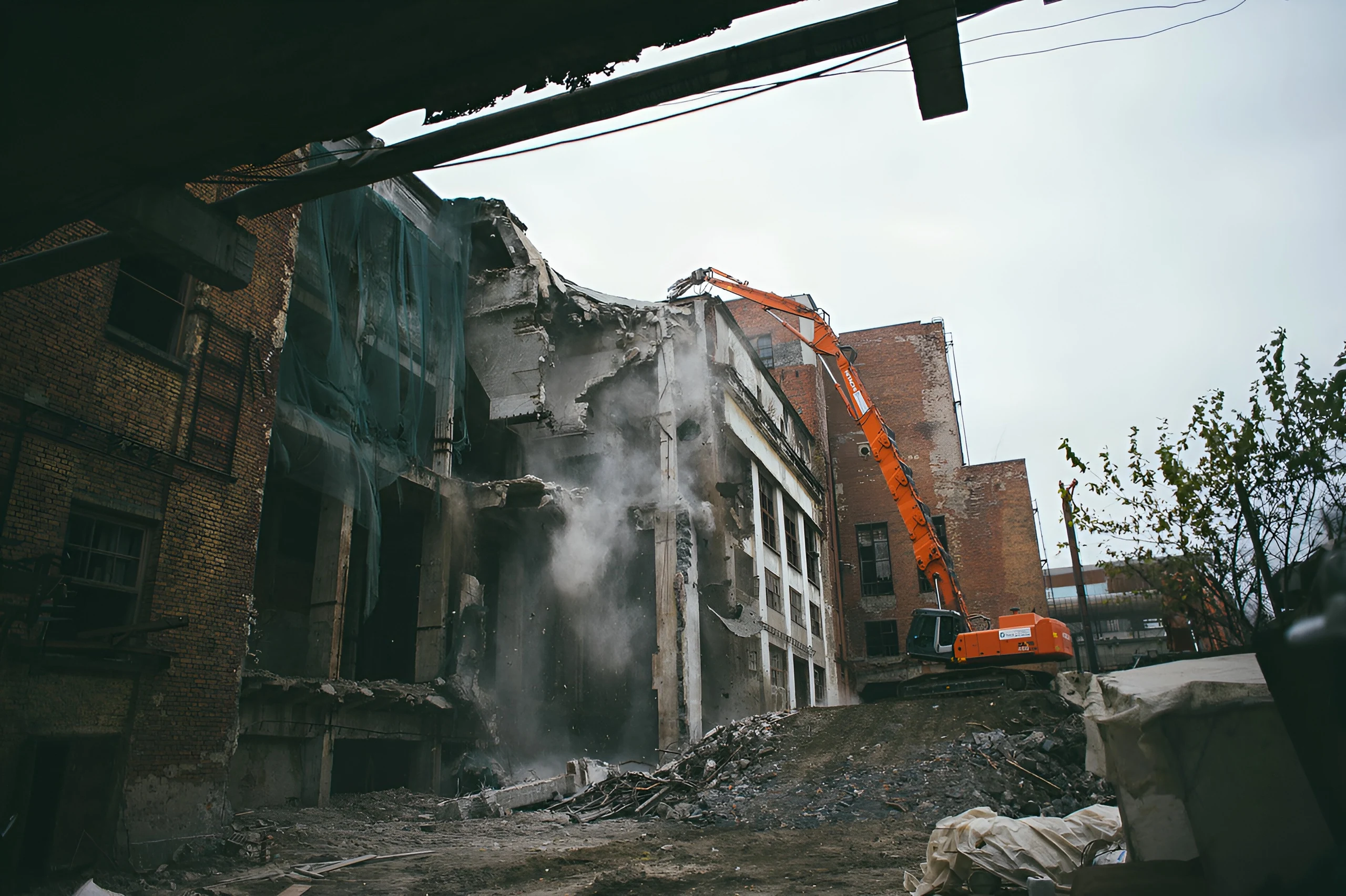
Removing the wrong element, working out of sequence or allowing debris to accumulate can change load paths and stability. The team must understand retained supports and stop if actual construction differs from the method assumptions.
- Sequence load-bearing elements deliberately
- Install and inspect temporary works before release cuts
- Control debris loads on slabs
- Maintain safe stand-off and exclusion zones
Plant, access and falling-material incidents
Machines can overturn, strike structures or place loads where the building cannot support them. Pedestrian and vehicle routes should remain separate, and attachments must be used within the limits of the selected carrier and working platform.
- Verify ground and floor bearing capacity
- Inspect travel routes and edge protection
- Use banksmen and defined communication
- Never work beneath unsupported material
Utilities and hidden hazards
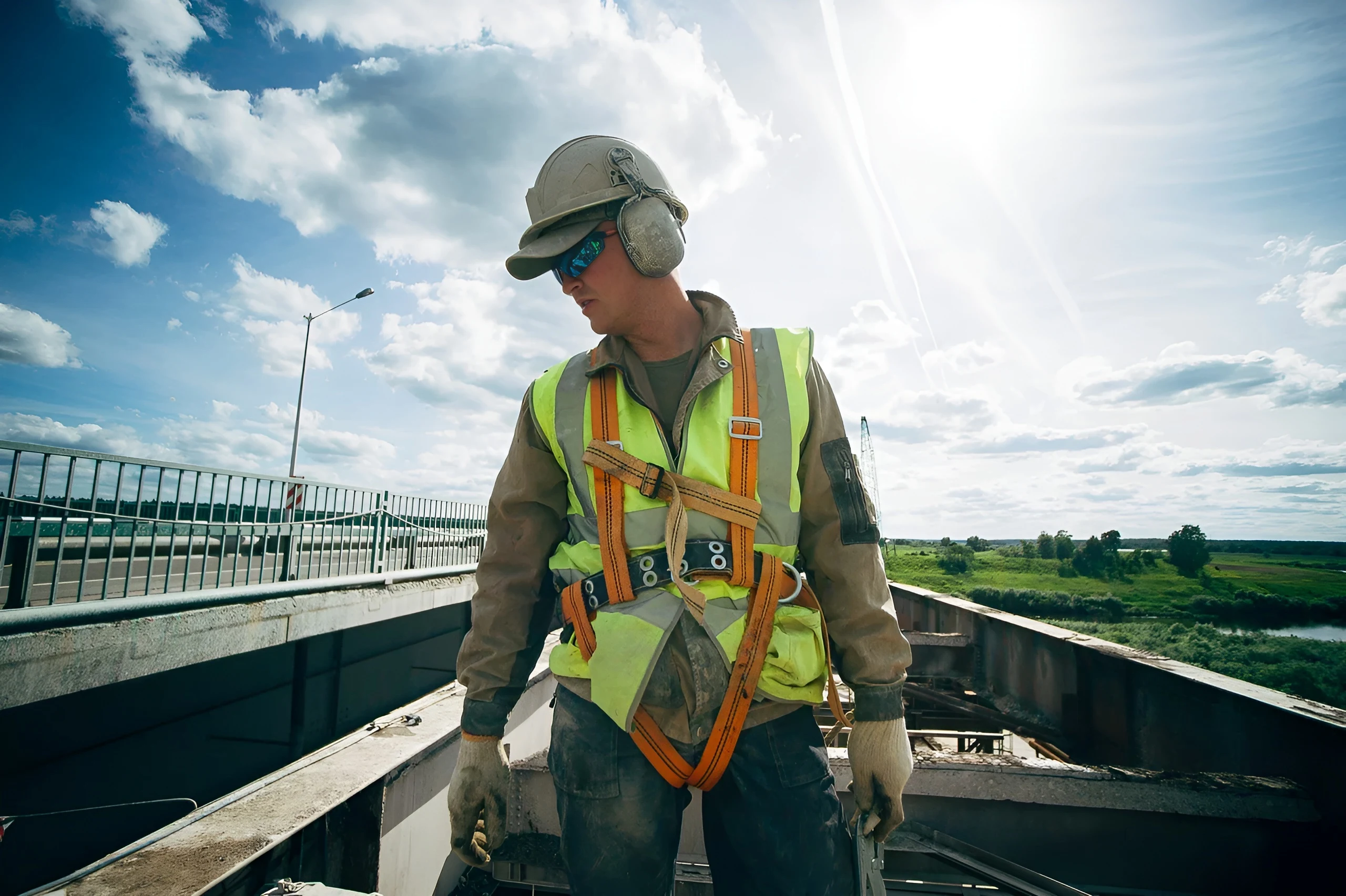
Isolation records, scanning and physical verification reduce the risk of electrical, gas, water and post-tension incidents. Toolbox briefings should identify the specific hazards for that day’s sequence, not rely on generic induction content.
Project note
Guidance is the starting point. The site determines the method.
Every structure, access route and operating environment is different. Final engineering, approvals and controls should be based on verified project information and a site-specific assessment.