



















Need an execution contractor?
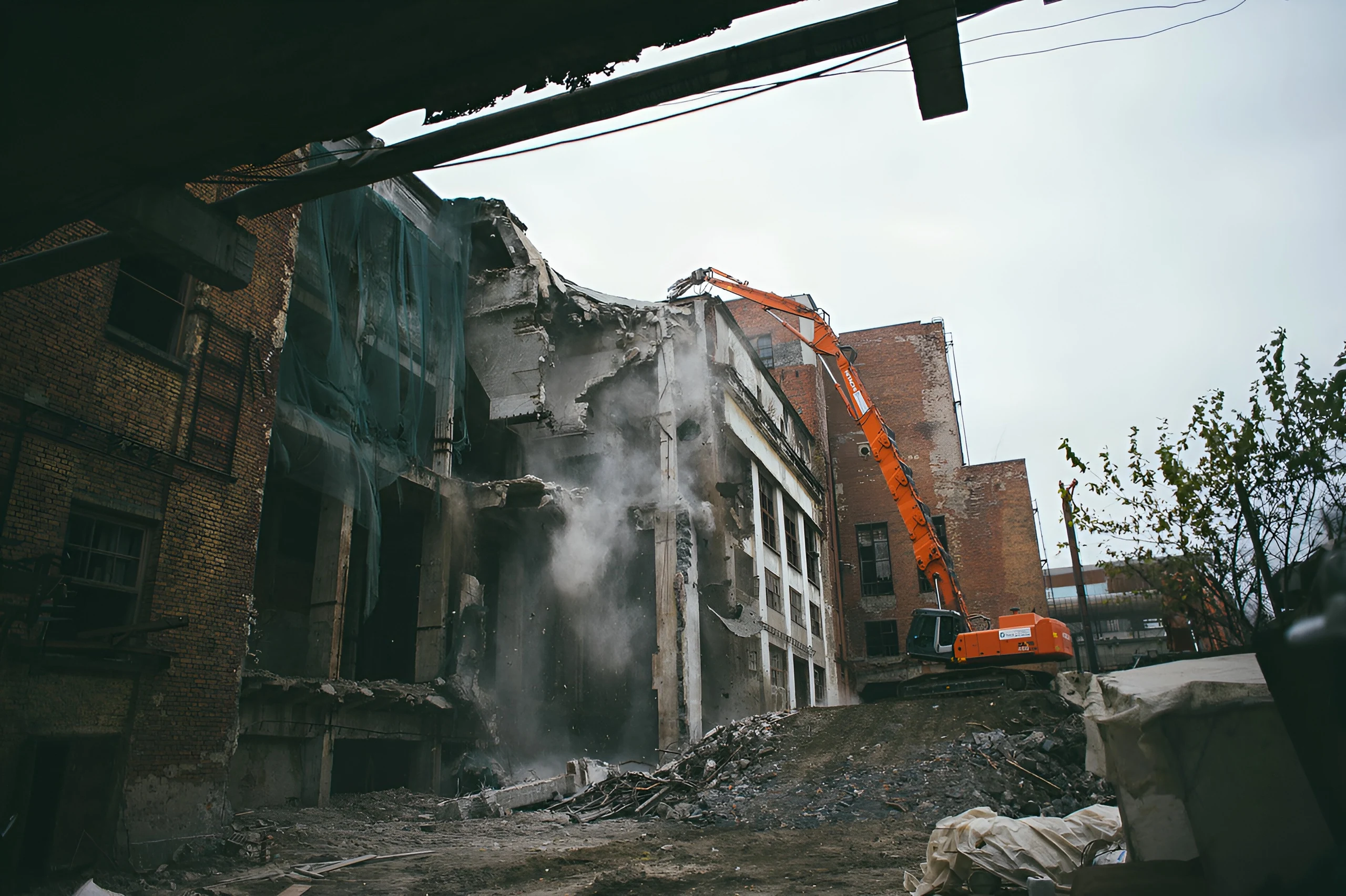
Controlled demolition in Dubai and across the UAE.
This article explains the planning question. For scope review, method selection and a site-specific technical proposal, continue to Arasar's primary service page.
Decide whether occupation and demolition can be separated
The first review defines the demolition zone, occupied zone and every interface between them. Structural load paths, escape routes, fire systems, utilities, ventilation, noise transmission, dust movement and debris access must remain workable throughout the sequence.
If a safe separation cannot be maintained, the relevant area should be vacated or the sequence redesigned. Programme pressure cannot replace the required engineering and life-safety controls.
| Interface | Typical control | Release evidence |
|---|---|---|
| Structure | Defined retention line and temporary support | Engineer or project hold-point acceptance |
| Services | Survey, isolation and protected live routes | Isolation record and marked drawings |
| People | Physical separation, access control and alternate routes | Daily zone inspection |
| Dust and air | Sealed barriers, extraction and cleaning | Visual or project-defined monitoring record |
| Noise and vibration | Low-impact method, timing and monitoring where required | Agreed threshold or work-window record |
| Debris | Contained route, load control and scheduled removal | Clear route and completed-zone inspection |
Use low-impact methods where they solve a real constraint
Diamond cutting can limit overbreak around retained concrete. Remote-controlled robots can move the operator away from the immediate breaking zone. Concrete scanning can reduce uncertainty before openings or penetrations. These methods support control, but they still require water, slurry, dust, power, floor-loading and debris plans.
Convert objections into measurable controls
Questions about disturbance should be answered with the actual method. Instead of saying the work will be 'low noise' or 'dust free', define the equipment, barrier, extraction, water recovery, work window, monitoring point, cleaning cycle and stop condition. The project team can then test whether the plan protects operations.
- Which occupants or systems are most sensitive?
- What hours or operational windows are available?
- Where can negative pressure, extraction or slurry collection be established?
- Which vibration or noise threshold requires a pause?
- How will emergency and public routes remain available?
- Who releases each completed area back to the building?
Build a phased handover into the programme
Occupied-building work should advance through small, inspectable zones. Each zone moves from survey and isolation to protection, demolition, debris clearance, edge treatment and release. This keeps the next activity and the retained operation connected to visible hold points.
Arasar has delivered specialist alterations around sensitive residential and operational environments in Dubai. Final controls remain specific to the building, client requirements and authority route.
Frequently asked questions
01Can a business remain open during demolition work in Dubai?
Sometimes, if the demolition and occupied zones can be structurally, physically and operationally separated. The specific building, services, fire strategy, access and authority requirements determine feasibility.
02How is demolition dust controlled in an occupied building?
Controls may include sealed barriers, local extraction, wet methods where appropriate, protected routes, progressive cleaning and project-defined monitoring. The system must suit the work zone and occupied interfaces.
03Can demolition vibration damage retained areas?
Impact methods can transmit vibration. The project team may select cutting, crushing, robotic or other lower-impact methods and monitoring where the retained structure or operations require it.
04What should be included in the programme?
Include surveys, isolations, protection, work windows, demolition zones, debris movements, cleaning, inspections, monitoring and phased release back to the building.
Technical and regulatory references
Requirements remain project- and authority-specific. These public sources support the technical or regulatory points used in this guide.
Project note
Guidance is the starting point. The site determines the method.
Every structure, access route and operating environment is different. Final engineering, approvals and controls should be based on verified project information and a site-specific assessment.