



















Need an execution contractor?
Controlled demolition in Dubai and across the UAE.
This article explains the planning question. For scope review, method selection and a site-specific technical proposal, continue to Arasar's primary service page.
Compare the work zone, not only the breaker
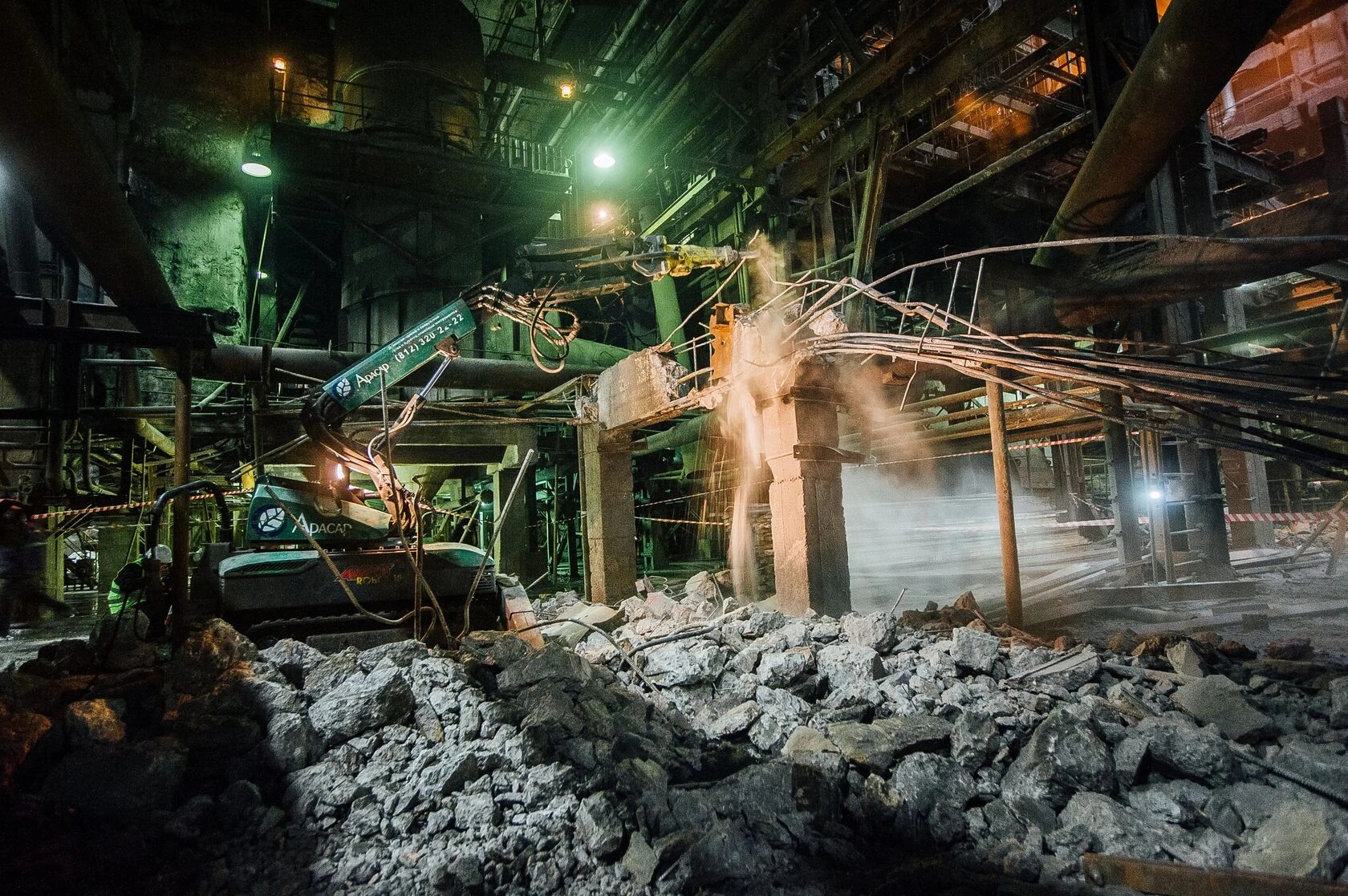
A remote-controlled demolition robot moves the operator away from the immediate impact and falling-material zone while delivering hydraulic power through interchangeable tools. Manual breaking keeps the operator at the work face and can be suitable for light, detailed or highly restricted tasks. Both methods need exclusion zones, supervision, debris control and a stable structural sequence.
| Factor | Remote robotic demolition | Manual demolition |
|---|---|---|
| Operator position | Outside the immediate work face | At or close to the tool |
| Best fit | Confined, repetitive, high-exposure or heavier breaking | Light, detailed and finishing tasks |
| Access need | Machine route, doorway, slope and turning space | Personnel and portable-tool access |
| Structural check | Floor capacity, point loads and debris accumulation | Work platform, local stability and falling material |
| Support requirement | Power, attachment changes and planned debris flow | Tool power, manual handling and exposure controls |
Where robotic demolition creates value
Remote operation can be valuable inside industrial areas, upper floors, basements and other zones where conventional excavators cannot enter and sustained manual breaking would expose workers to vibration, dust or falling material. Crushers, breakers, grapples and other tools allow the platform to change function within the engineered sequence.
The robot is not selected by power alone. Width, height, weight, floor loading, stability, reach, attachment force, ventilation, electrical supply and the route for broken material must all fit the site.
- Measure the full machine route before mobilisation
- Verify floor and ramp capacity for machine plus debris
- Select the attachment for material and exposure
- Provide progressive debris removal and visibility
- Maintain exclusion zones despite remote operation
Where manual work remains necessary
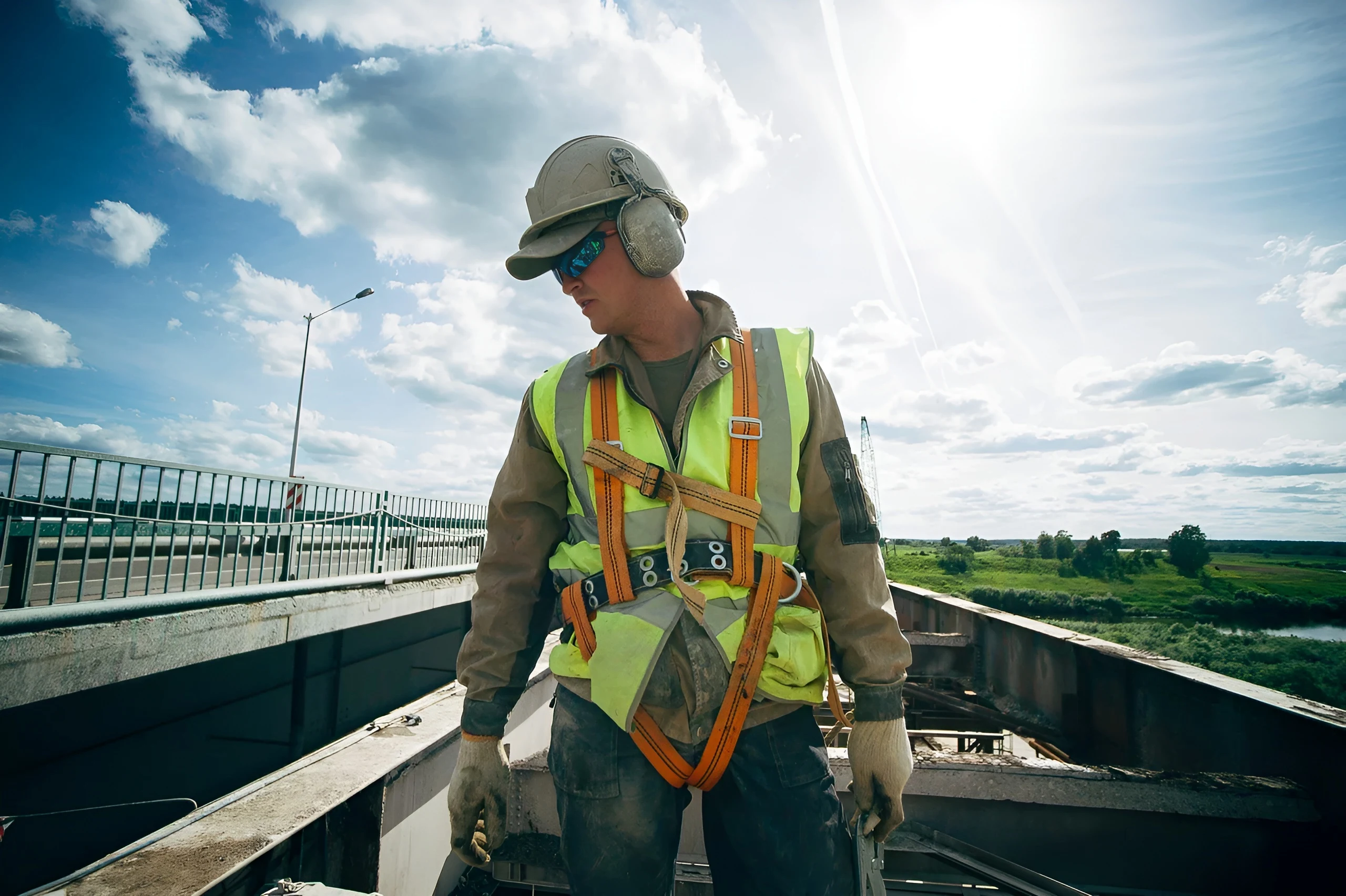
Manual methods remain useful for preparation, light finishes, tight details, service disconnection, local trimming and tasks beyond the robot's reach. A well-designed robotic method usually includes skilled manual support rather than pretending the machine completes every operation.
The project should reduce avoidable exposure while preserving the precision and judgement of trained personnel. That balance is more useful than treating robotic and manual demolition as competing slogans.
Compare total method cost, not hourly rate
Robotic equipment has mobilisation, power and specialist-operation costs, but may change production, exposure, access strategy and the amount of manual breaking. Manual work may appear cheaper per hour but can require more people, longer exposure and additional shifts. Compare the full sequence, protection, programme, debris handling and required handover.
Frequently asked questions
01Is robotic demolition safer than manual demolition?
Remote operation can reduce direct exposure at the immediate breaking face, but it does not remove structural, machine, debris, dust or access hazards. A site-specific method and exclusion strategy are still required.
02Can a demolition robot work on an upper floor?
Potentially, after the machine route, floor capacity, point loads, working radius and debris loads are assessed. Temporary load distribution or a different machine may be required.
03Does a demolition robot replace all manual labour?
No. People remain necessary for setup, supervision, service isolation, protection, detailed work, attachment changes and debris management.
04When is manual demolition the better choice?
Manual methods can suit light, detailed or short-duration tasks where the exposure is controlled and robotic access or mobilisation would add little value.
Technical and regulatory references
Requirements remain project- and authority-specific. These public sources support the technical or regulatory points used in this guide.
Project note
Guidance is the starting point. The site determines the method.
Every structure, access route and operating environment is different. Final engineering, approvals and controls should be based on verified project information and a site-specific assessment.