



















Need an execution contractor?
Robotic demolition and breaking in Dubai and across the UAE.
This article explains the planning question. For scope review, method selection and a site-specific technical proposal, continue to Arasar's primary service page.
Define the removal task before requesting a machine
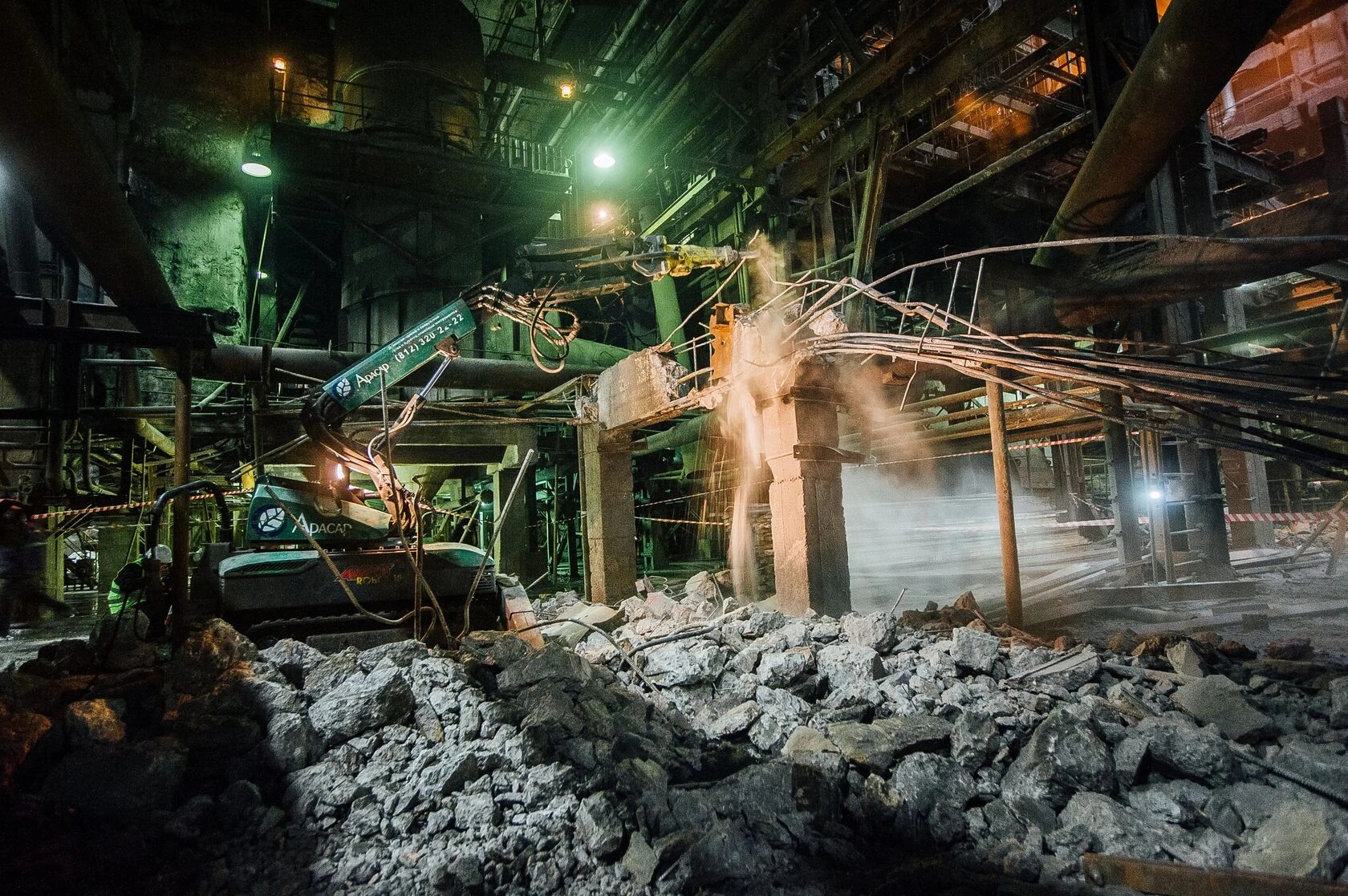
Describe the material and the required result: selected concrete breaking, removal around a retained area or another defined task. Include available drawings and photographs of both the workface and surroundings. Ask for a suitability review against that scope rather than requesting a model solely because it appears compact.
Remote operation can create separation between the operator and the immediate workface, but it does not remove the need to assess the structure, people, dust, noise and falling material. A robot is one part of a demolition method, not a replacement for project planning.
Describe the whole access route
Measure and photograph the narrow points on the proposed route, including doors, corridors, turns, level changes and the work area. State known restrictions rather than describing the site as simply “accessible”. A machine passing one doorway does not prove that it can reach or work at its destination.
Brokk’s access guidance discusses doors, lifts, stairs and upper levels and stresses checking the relevant equipment and transport capacity. Model-specific examples from that manufacturer are not specifications for Arasar’s selected machine. The contractor must confirm the actual machine and access proposal.
Prepare an upper-floor and access checklist
Where work is above ground level, provide the structural and access information that exists. Do not convert the machine’s published mass into a statement that a floor, lift or route is suitable. Transport, operation and material handling must be reviewed for the specific conditions.
| Area to review | Information to send | What needs confirmation |
|---|---|---|
| Route | Narrow points, turns, thresholds and photographs | Can the selected machine reach the work area? |
| Vertical transport | Available lift, hoist or proposed access information | Who checks and approves the transport arrangement? |
| Supporting structure | Floor level, drawings and relevant assessments | What loading and support conditions apply? |
| Work area | Removal boundary, retained assets and occupancy | What space and separation does the method require? |
| Power and utilities | Available supplies and known restrictions | What is required by the selected equipment? |
| Material route | Collection points, access and removal responsibility | How is the complete removal package organised? |
Separate equipment access from permission to work
An access survey does not authorise structural removal. Confirm who is responsible for the engineering review, applicable permissions, temporary works and acceptance of the work sequence. The relevant conditions should be available before the execution package is released.
The HSE’s structural-stability material is a UK technical reference for planning considerations, not UAE law. For a local project, use the actual authority requirements and the responsible engineer’s site-specific decisions. Do not rely on a generic claim that robots are automatically required or suitable above a particular floor.
Include debris handling and adjacent operations
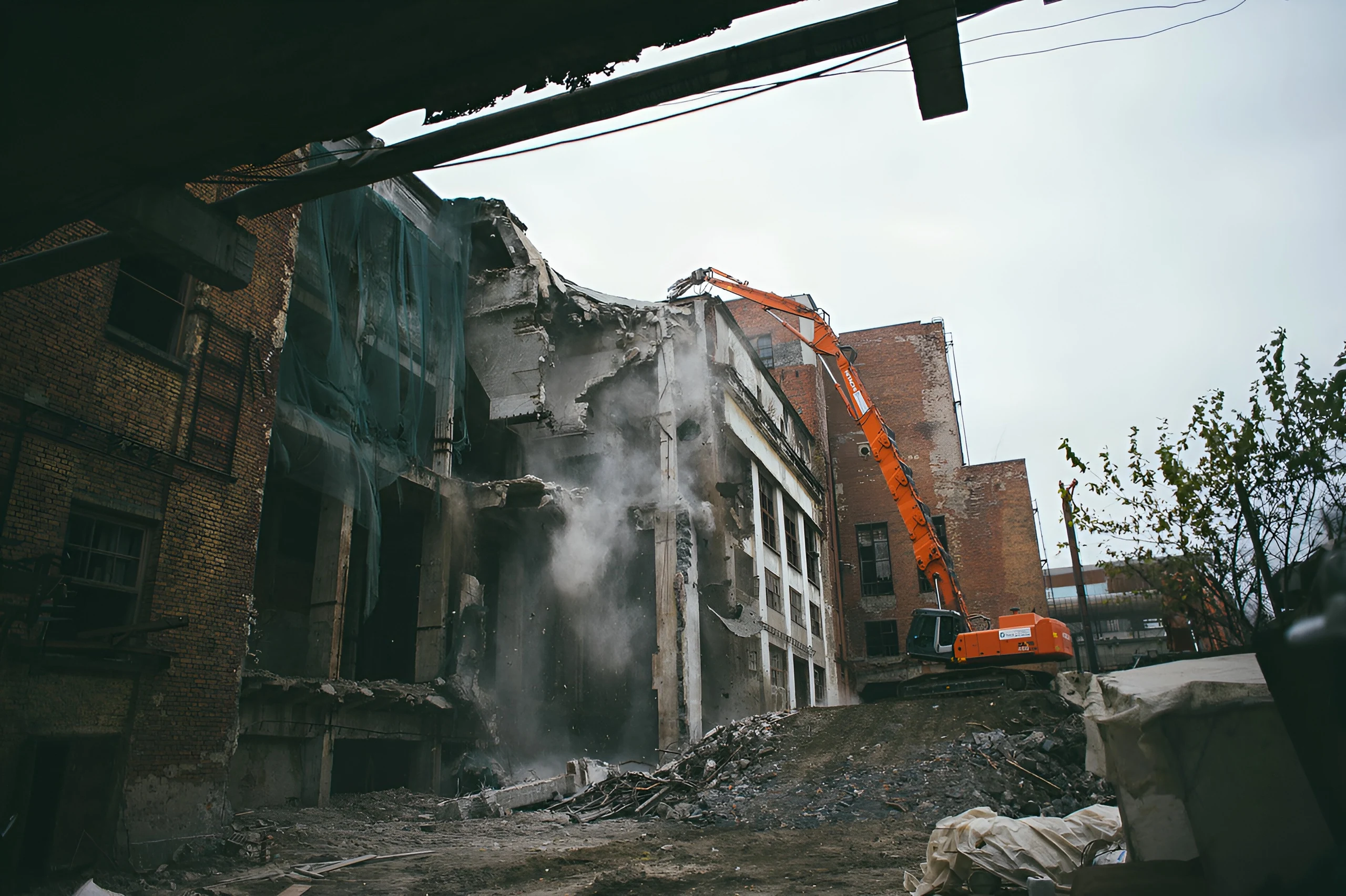
Clarify whether the requested package covers breaking only or also collection, movement and removal of material. Describe the route to the collection point and any other trades using it. Otherwise, a machine quotation and a complete demolition quotation may look comparable when they are not.
If the building remains in use, identify the occupied areas, permitted work windows and sensitive operations. Ask how the proposed scope will be coordinated with those requirements. Electric equipment should not be described as dust-free, silent or free of operational risk.
Request confirmation of the actual package
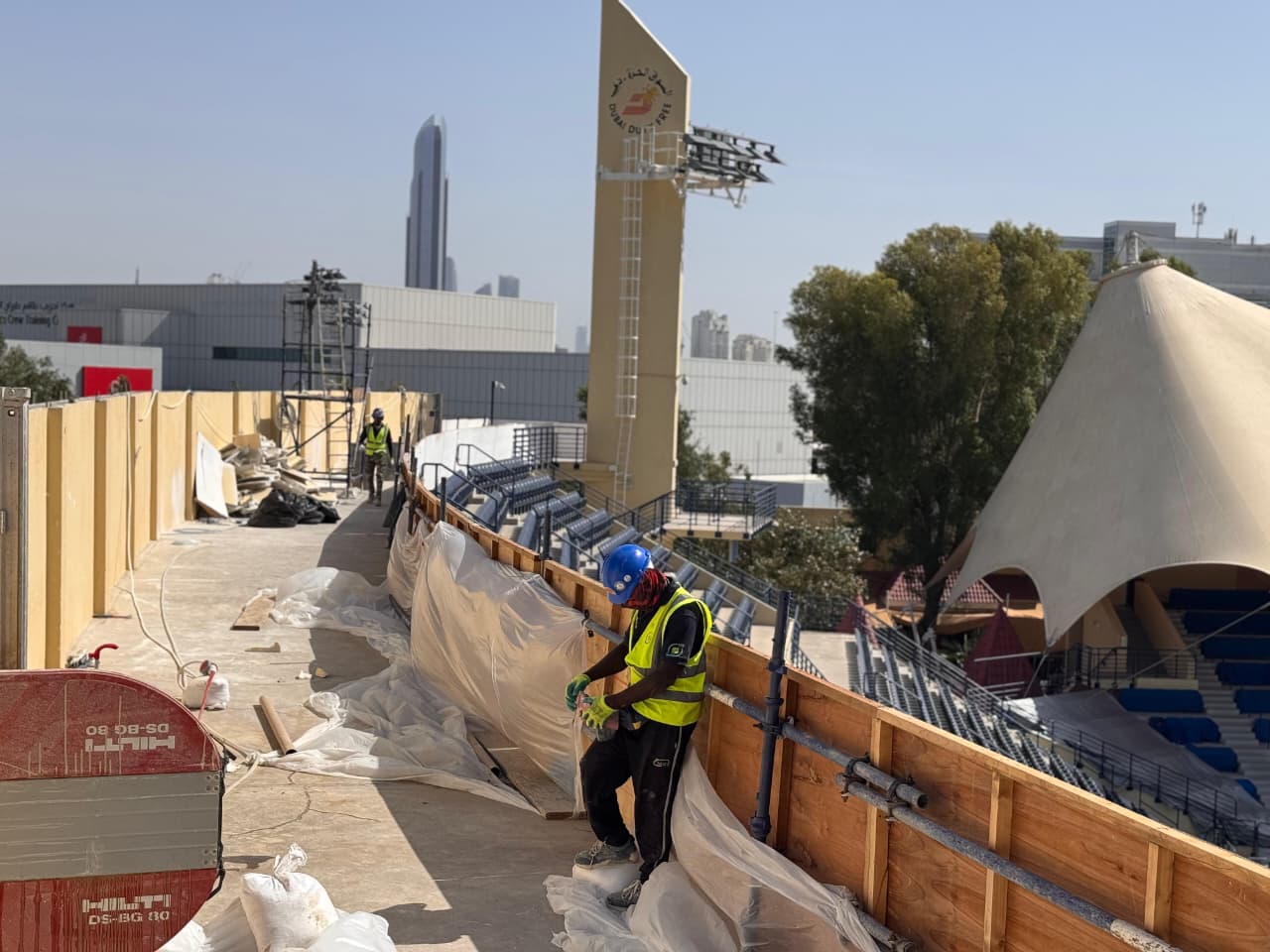
Before booking, ask the proposal to identify its scope, access assumptions, equipment basis, operator provision, excluded work and outstanding approvals. A photograph of a fleet does not reserve equipment for a date. Availability and the project method need confirmation in the actual proposal.
Send Arasar the removal brief, drawings, route and workface photographs, floor level, available structural information and programme. Our fleet page introduces the equipment; the robotic breaking service page is the route for discussing execution. No standard daily output or universal access dimension is promised in this guide.
Frequently asked questions
01Can a demolition robot work on an upper floor?
It may be suitable after review of the selected machine, route, transport, supporting structure and work method. Floor level or compact size alone does not establish suitability.
02Does a robot passing through a doorway prove the site is accessible?
No. The complete route, turns, level changes, transport and work area also need assessment for the selected equipment.
03Is robotic demolition silent or dust-free?
No. Breaking and material handling still require appropriate controls. Remote operation and electric power do not eliminate those impacts.
04What should I provide for a robotic demolition quote?
Send the removal scope, photographs, access route, floor level, structural information, available power, occupancy restrictions, debris-removal requirements and programme.
Technical and regulatory references
Requirements remain project- and authority-specific. These public sources support the technical or regulatory points used in this guide.
Project note
Guidance is the starting point. The site determines the method.
Every structure, access route and operating environment is different. Final engineering, approvals and controls should be based on verified project information and a site-specific assessment.